
Ebola is a rare, but extremely dangerous disease. It is classified as one of the most lethal disease on the planet with the fatality rate of up to 90%. Ebola is caused by six species of virus with four known to cause sickness in humans and each is named after the locations of their outbreaks.
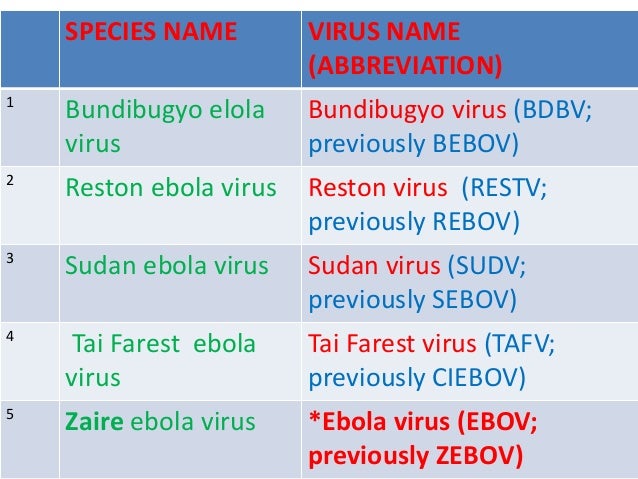
Like all the virus, ebola viruses infect and feed of their hosts. The viruses are string like structures containing genetic information in the form of ribonucleic acid or RNA. Encasing the RNA are the layers of proteins on the outermost layers are slightly versatile capable of changing the shape and binding to different types of cells within a host when binding occurs. Ebola virus fuses with a host cell allowing the viruses RNA to infiltrate the cell and to replicate the virus. This infection quickly spreads to countless cells throughout the body resulting in some of the most terrifying symptoms in eight to ten days.
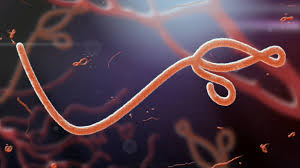
Those infected by the ebola virus may experience symptoms drastically ranging in severity from fevers to diarrhea and vomiting to internal and external bleeding. Blood clots began to form, internal organs begin to fail, and in a matter of days the body hemorrhages and dies.
 YourDailyHealth